Safety Precautions and Occupational Safety on the Roof

catida-guvenlik-2

Roofing work is considered one of the most dangerous areas of work in the construction industry. Risks such as falling from height, slipping and falling materials can threaten the lives of workers. Therefore, it is vital to follow occupational safety rules in roofing work. Here are the basic safety precautions to be taken during roof work:

  1. Use of Personal Protective Equipment (PPE)
The use of appropriate personal protective equipment is mandatory to ensure the safety of roof workers:
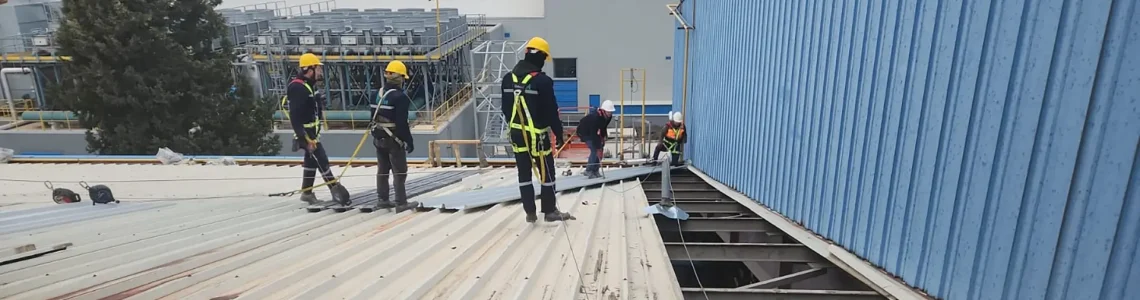
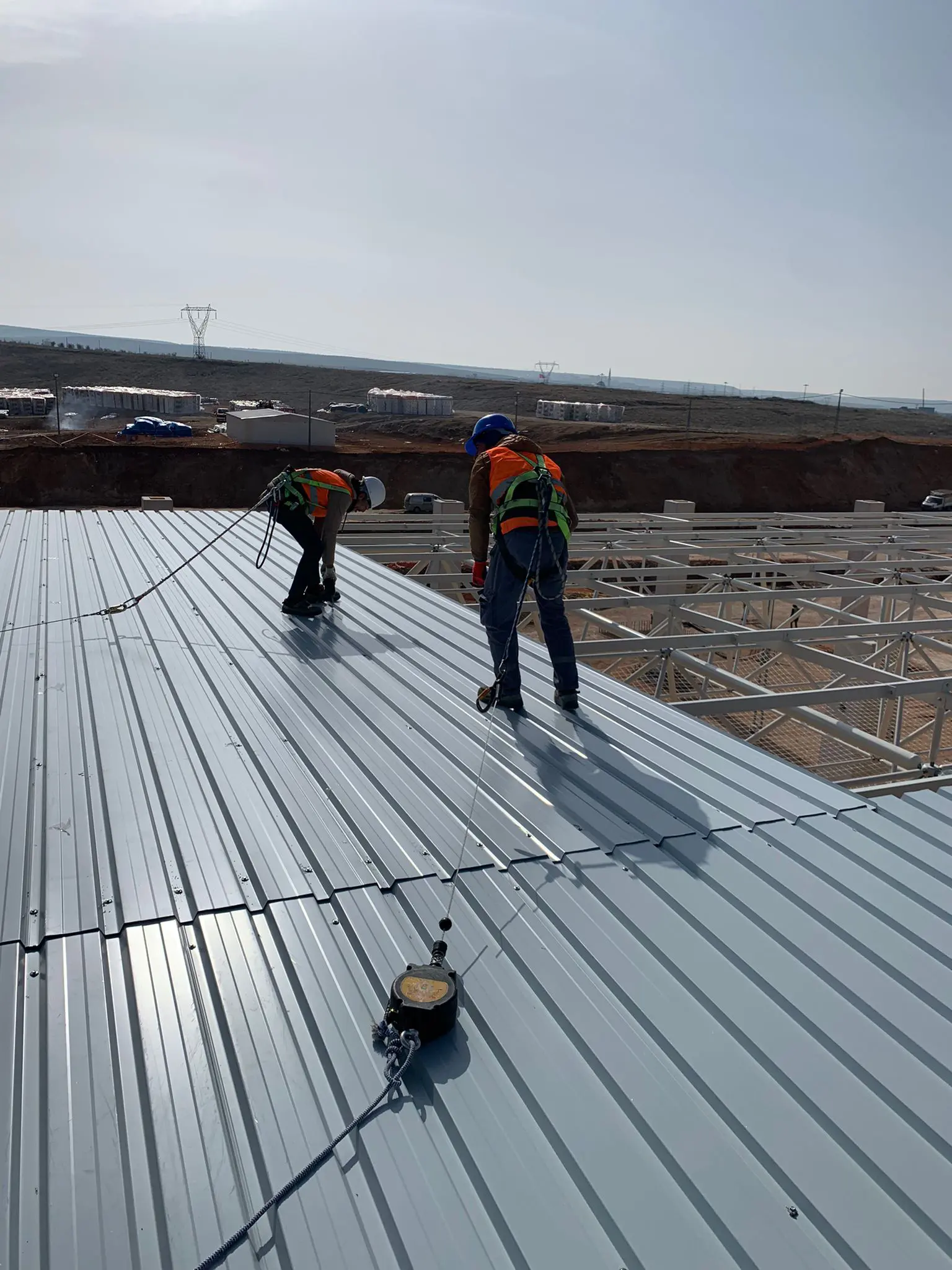
  • Seat belts and fall arrest systems:
    A full body harness and appropriate anchor points must be used to prevent falls from height.
  • Shoes with non-slip soles:
    It is necessary to wear appropriate footwear to prevent slipping on roof surfaces.
  • Hard hat and goggles:
    Appropriate protective equipment must be used to prevent head and eye injuries.
  • Gloves and work clothes:
    It is important to wear protective clothing for hands and body.
  1. Making the Workplace Safe
Safety precautions must be taken before going on the roof:
  • Railings and barriers:
    Appropriate railings should be placed on the roof edges.
  • Use of strong and robust scaffolding:
    A stable and safe platform must be provided when working on the roof.
  • Taking precautions against falling materials:
    The work area must be kept tidy and materials must not be allowed to slip or fall.
  • Controlling Weather and Ground Conditions
  • Weather conditions can pose a major risk to roof work:
    • Roof work should be avoided in rain, snow or windy weather.
    • Ensure that the work area is dry and safe.
    • The durability and bearing capacity of the roof should be assessed.
    1. Education and Awareness Raising
    Roofing workers need to be trained in safety procedures:
    • Workers should be trained on fall protection systems and the use of equipment.
    • Emergency procedures must be taught and practiced.
    • Work under the supervision of a master should be provided for inexperienced workers.
    1. Emergency Plan
    There must be an emergency plan to be implemented in case of any accident or dangerous situation:
    • First aid equipment and medical personnel should be available.
    • Rescue procedures in case of a fall should be determined and teams should be trained.
    • Emergency exit routes should be identified and easily accessible.

    As roofing is a high-risk area, full compliance with occupational safety measures is vital. By following safety protocols, employers and employees can prevent accidents and ensure a healthy working environment. Every precaution to be taken in roof work makes a big difference in protecting the lives of workers.

    Related Posts

    Blog

    The Power of Industrial Roofs

    Alsim İnşaat prioritizes energy efficiency and environmentally friendly practices with membrane roof solar panel applications within the framework of its sustainability vision.

    Read Article "